
Hello, Bonjour, Salibonani, مرحبً
w
e
b
r
e
v
Loading
Loading

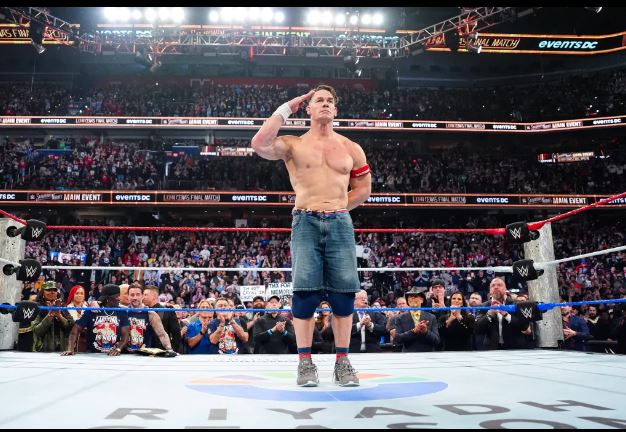
John Cena retiring from professional wrestling marked the end of an era. After more than two decades at the top of WWE, Cena stepped into the ring for the final time and, fittingly, chose to retire after a loss. For some, that ending raised eyebrows. For those who understand legacy, leadership, and long-term brand value, it made perfect sense.
John Cena is not defined by a final defeat. He is defined by work ethic, consistency, and an ability to evolve. These are the same principles that successful businesses rely on today, whether they operate in web design, brand management, or social media management.
In his final match, Cena put over the next generation. He did not protect his own image at the expense of the future. That decision alone reinforces why he is viewed as a wrestling hero rather than just a champion.
In business terms, this is leadership. Strong brands know when to step back, reposition, or allow others to grow. Companies offering cheap web design or cheap marketing management often fail not because of pricing, but because they lack long-term vision. Cena’s retirement shows the power of leaving with integrity rather than ego.
Cena’s career was built on discipline and repetition. Night after night, city after city, he delivered the same level of effort regardless of crowd reaction. This mirrors successful marketing and brand strategies. The businesses that grow are not the loudest; they are the most consistent.
In web design and digital marketing, consistency in messaging, design quality, and delivery builds trust. Cena’s “Never Give Up” mentality wasn’t just a slogan. It was brand positioning executed flawlessly over years.
It is fair to say John Cena’s music career did not reach the heights of his wrestling or acting success. But failure in one area did not stop him from expanding elsewhere. Instead, he pivoted.
His movie career has been exceptional. From blockbuster franchises to leading roles in television, Cena proved that reinvention is possible when you understand your audience and refine your positioning.
Businesses make the same mistake by holding onto strategies that no longer work. Smart companies, especially those involved in social media management and brand management, know when to adapt, rebrand, and explore new platforms.
Beyond wrestling and movies, John Cena has been involved in multiple business and commercial ventures that often go unnoticed:
Long-term endorsement partnerships built on trust and brand alignment
Production and media development projects behind the scenes
One of the most active and respected figures in global charitable initiatives, strengthening personal brand credibility
Licensing and merchandise strategies that extended his brand beyond wrestling
These ventures show an understanding of brand equity. Cena didn’t rely on short-term popularity. He built a sustainable, diversified personal brand, something many businesses overlook when focusing only on quick wins.
There are clear lessons for entrepreneurs, marketers, and agencies:
First, authenticity scales. Cena never pretended to be something he wasn’t. In marketing, authenticity converts better than gimmicks.
Second, visibility matters. Cena showed up everywhere. Businesses need the same mindset through strong websites, effective web design, and consistent social media management.
Third, leadership means thinking beyond yourself. Cena’s final loss was about the future of the industry. Successful brand management works the same way, focusing on long-term value rather than short-term wins.
At www.marketingballoon.co.uk, the same principles apply. Whether a business needs web design, affordable marketing management, or help managing its online presence, the goal is not just visibility. It is credibility, consistency, and growth.
John Cena’s career proves that a strong brand is built over time, reinforced by action, and protected by integrity. He didn’t retire as a loser. He retired as a professional who understood the value of legacy.
Finally,
John Cena is widely known as a nice guy, but that undersells him. He is disciplined, strategic, and deeply aware of how perception, effort, and branding intersect. His retirement after a loss was not a mistake. It was a statement.
In wrestling, business, or marketing, the takeaway is clear: focus on long-term brand strength, adapt when necessary, and never confuse a single setback with failure.
That is how lasting brands are built.
